
How Direct Mail works
A direct mail campaign is built as a sequence, not a single send, and most of its success is decided in the targeting and design before anything is printed. This page walks through each stage so you know how a campaign is scoped, produced, sent and measured.
Every step, in the order it happens.
Step 01
Scope and targeting
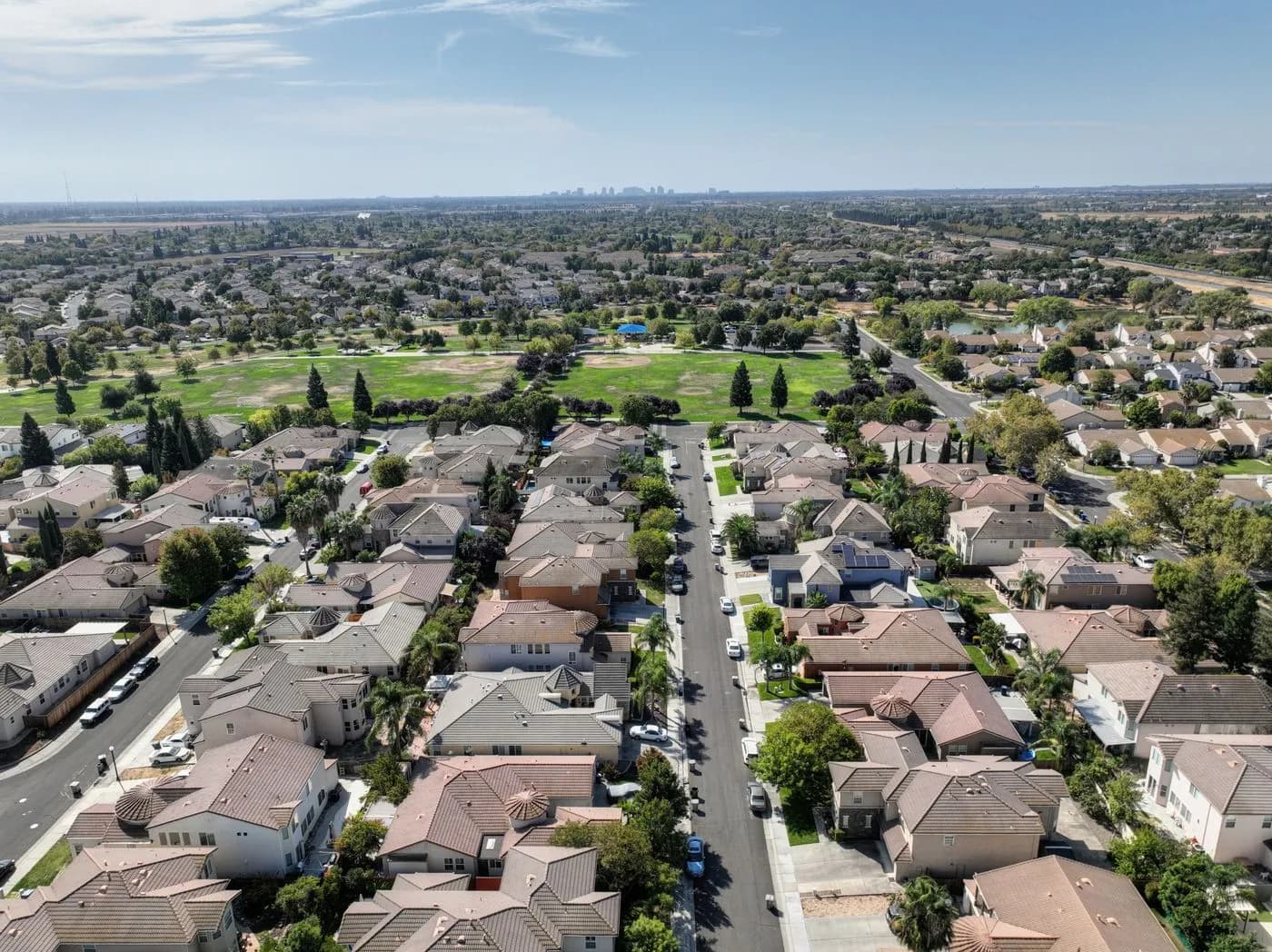
Every campaign starts by defining who you want to reach and why mail suits them, then choosing the targeting approach. That is either a specific list of recipients or a geographic area to saturate, depending on how broadly your offer applies.
We agree the offer, the sequence length, what a response means and how it will be tracked, then scope and quote the campaign. Because list size, formats and print runs vary widely, mail is priced to the actual work rather than a fixed rate.
Getting the targeting right here is the single biggest lever on results, so this stage is deliberate rather than rushed.
Step 02
List or route build
For a targeted campaign we build or refine the recipient list against the criteria we agreed, cleaning it so print and postage are not wasted on bad addresses. For a geographic campaign we select the mailing routes that fit, using options such as the USPS Every Door Direct Mail program where appropriate.
Address quality matters directly to cost here, because every undeliverable piece is money spent for nothing. Time spent getting the list or routes clean pays for itself.
This is also where the size and pacing of the sequence are finalized, so the print runs and mailing schedule are set on solid ground.
Step 03
Design and copy
The physical piece is designed to earn attention in a mailbox and give the recipient a clear reason and a clear way to respond. Format, layout and copy all serve that goal, and the design reflects the fact that a piece often needs to work at a glance.
Copy is specific and honest, with an obvious next step and a response mechanism that makes acting easy. A confusing or cluttered piece wastes the whole cost of reaching the mailbox, so clarity is the priority.
The pieces are designed as a coordinated set across the sequence, so each touch reinforces the last rather than looking like an unrelated mailing.
Step 04
Print and prepare
Approved designs go to print, produced to the specifications the postal service requires for the chosen format and mailing method. Preparing pieces correctly is what keeps postage efficient and delivery smooth.
Quality is checked at this stage so what lands in mailboxes reflects your business well. A physical piece is a tangible impression, and a poorly produced one works against you.
The pieces are then readied for the mailing schedule set during scoping, so the sequence goes out on plan.
Step 05
Send the sequence
Mailing happens as a sequence over time rather than a single drop, because repetition and timing are what move recipients to respond. The schedule spaces the touches so familiarity builds without overwhelming.
Where it makes sense, the mail sequence is coordinated with your other channels, so a recipient might see a piece around the time of a call or a digital touch, which lifts response.
Each send follows the plan set during scoping, and the sequence is adjusted based on what earlier touches reveal.
Step 06
Track and report
Responses are tracked through the mechanisms built into the pieces and the follow-up process, and captured so they can be acted on. The point is a clear picture of what the campaign is generating, not guesswork.
You receive reporting across the sequence rather than after a single drop, because mail is meant to be read over time. The reporting shows how response is building and which elements are working.
Those insights feed refinement: the targeting, format or messaging can be adjusted for later touches or future campaigns based on what the responses show.
Why the sequence is the whole strategy
The defining feature of direct mail done well is that it is a sequence, and understanding that reframes the entire process. A single mailing, judged a week later, is the version of mail that disappoints and gives the channel its dated reputation. A coordinated series of touches over time is the version that works, because response is driven by familiarity and by catching people at the right moment.
This is why our process treats the sequence as the strategy rather than an afterthought. The number of touches, their spacing and how they coordinate with your other channels are decided up front, and the pieces are designed as a set that builds. A recipient who sees a coherent series of touches responds at a different rate than one who sees a lone piece.
It also reframes how the campaign is measured. Reading response after the first drop and concluding mail does not work is like judging a conversation after one word. The honest measure is how response accumulates across the sequence, which is exactly how the reporting is built.
Targeting is where the money is made or wasted
Mail carries real, per-piece costs in print and postage, which makes targeting the difference between a campaign that pays and one that bleeds. Every piece sent to the wrong recipient is money gone, so the discipline of reaching the right list or the right routes is not a detail; it is the core of the economics.
That is why the process invests heavily in the targeting stage. A targeted list has a clear reason behind every name, and a geographic campaign uses routes chosen because the offer applies broadly there. Options like Every Door Direct Mail can reach whole routes cost-effectively when saturation fits, while a precise list fits when the offer is narrower. Choosing correctly between them is part of the work.
Address and list quality matter just as directly. Undeliverable pieces are pure waste, so cleaning the list or verifying the routes before printing protects the budget. Getting this right up front is what lets the rest of the campaign perform.
Designing a piece that survives the mailbox
A piece of mail has a brutal first test: the walk from the mailbox to the recycling bin. Surviving it is the job of the design, and it is why format, layout and copy all matter more than they might seem. The piece has to earn attention in seconds and make the reason for reaching out immediately clear.
Good pieces are specific and honest, with an obvious next step and an easy way to take it. Whether the response mechanism is a phone number, a code, a personalized link or something else, it has to be effortless, because friction at the moment of interest loses the response. Cluttered, vague or overdesigned pieces waste the whole cost of getting into the mailbox.
Because mail is a sequence, the pieces are designed as a coordinated set. Each touch should feel connected to the last, building recognition rather than looking like unrelated mailings. That coherence is part of what makes the repetition work.

How mail coordinates with your other outreach
Mail is strongest when it is not working alone. A recipient who has had a call, seen a digital ad or received other outreach recognizes your name when the mail arrives, and that recognition lifts response. So a well-run campaign coordinates the mail sequence with your other channels where it makes sense.
In practice that might mean a mailing timed around a calling push, or a piece that follows a digital impression, so the recipient encounters your business through more than one sense and more than one moment. Mail provides the tangible, lasting touch that digital lacks, while digital provides the reach and frequency that mail alone cannot match affordably.
This coordination is why the same operators often run mail alongside calling, SMS and driving-for-dollars against overlapping lists. The channels are designed to reinforce each other, and treating mail as one part of that whole is what gets the most from it.
What good looks like over time
A direct mail campaign is judged over its sequence, not its first drop. Early touches do part of the work of building familiarity, and response tends to accumulate as the sequence progresses and as recipients encounter the mail more than once. Expecting a spike from the first mailing is the most common way to misread the channel.
As the campaign runs, the reporting shows how response is building and which elements are working, and those insights refine the later touches and any future campaigns. The targeting tightens, the format and messaging sharpen, and the coordination with other channels improves. Progress shows up as steadily accumulating response, not a single burst.
The honest measure of success is the response the sequence generates relative to its cost, read over the full run, not a headline number promised in advance. We commit to running the campaign well and reporting openly; what it produces reflects the real fit of your offer, your list and your market.
Choosing the format for the job
Not all mail is the same, and part of doing it well is matching the format to the goal. A simple postcard is inexpensive to print and post and works when the message is short and visual and the aim is frequency across a sequence. A letter in an envelope costs more and reaches fewer people per budget, but it can carry a longer, more personal message and often feels more considered, which suits higher-value or more complex offers.
Larger or more elaborate formats exist too, and they trade higher cost per piece for more attention and space. The right choice is a balance between what the message needs, what a single response is worth, and how many touches the sequence calls for. A high-value offer that justifies a considered letter is a different decision from a neighborhood saturation campaign built on repeated postcards.
This is why format is a deliberate decision during scoping rather than an afterthought. Getting it wrong wastes money in one of two ways: an expensive format for a low-value offer burns budget, while a flimsy format for a high-value, complex message fails to do the offer justice. Matching the two is part of what makes a campaign efficient.
The format also has to meet postal specifications to keep postage efficient, which is why the pieces are produced to those requirements. Choosing a format that both serves the message and mails cost-effectively is a practical craft, and it is part of the work that stands between a campaign that pays and one that leaks money on production and postage.
Why the response mechanism is planned first
A mailing only works if a recipient who wants to act can do so easily and if you can tell that the mail is what prompted them. This is why the response mechanism is planned early rather than tacked on at the end. Whether it is a phone number, a code to mention, a personalized link or a dedicated landing page, the way a recipient responds is designed into the piece from the start.
The mechanism does two jobs. First, it removes friction at the moment of interest: a recipient ready to act should not have to work out how, because any hesitation at that moment loses the response. Second, it makes the campaign measurable, so response can be tracked back to the mail rather than guessed at. A campaign you cannot measure is a campaign you cannot judge or improve.
This matters especially for mail because it runs over a sequence and often alongside other channels. Without a clear way to attribute response, it is impossible to know which pieces and which touches are working, so the mechanism is what turns a hopeful mailing into something you can read and refine. It is the difference between running mail on evidence and running it on faith.
Planning it first also shapes the design, because the response path has to be prominent and effortless rather than buried. A piece built around its response mechanism guides the recipient naturally toward acting, which is exactly what you want, and it is why we treat the mechanism as a foundation of the piece rather than a detail added once the design is done.
What we handle, and what we need from you
A direct mail campaign is a genuine collaboration, so it helps to be clear about the division of work. What the operation handles is the machinery of mail: the list or route targeting, the design of the pieces, the copy, the print to postal specification, the coordination of a multi-touch sequence, the response tracking, and the reporting across the run. That is the bulk of the effort, and it is the part that turns an idea into mail that lands and performs.
What we need from you is the raw material and the readiness to act on responses. That means your audience or target area, your offer, any brand assets, and crucially a process ready to work the responses the campaign generates. Mail creates responses over a sequence; converting them depends on your capacity to follow up, which is why that readiness is part of what makes a campaign succeed.
The clearer your input, the better the campaign. A sharp sense of who you want to reach and a well-defined offer let the targeting and design do their best work, while a vague brief forces guesswork that shows up in the results. Time spent getting these right up front pays off in every piece that follows.
Drawing this line honestly is what keeps a campaign on track. We run the mail to a high standard and report on it openly, you provide the offer and audience and work the responses, and the result reflects both halves doing their job. Mail is not a button you press and forget; it is a coordinated effort, and knowing who owns what is part of running it well.
How print and postage stay efficient
Because print and postage are the real per-piece costs of mail, keeping them efficient is a practical craft that sits behind every campaign, and it makes a direct difference to whether the mail pays. Much of it starts with the list: clean, deduplicated, correctly formatted addresses mean fewer wasted pieces, since every undeliverable address is money printed and posted for nothing. Address quality is a cost control as much as a targeting one.
Format and specification are the next lever. Producing pieces to the postal service's requirements for the chosen format keeps postage rates efficient, whereas a piece that misses those specifications can cost more to mail or fail to qualify for the rate you planned around. Matching the format to both the message and the postal economics is part of designing a campaign that does not leak money in production.
Where a geographic approach fits, options such as saturating mailing routes can reach whole areas cost-effectively without paying for individual addresses, which suits offers that apply broadly. Choosing between a precise targeted list and a route-based approach is partly a cost decision, and getting it right keeps the spend aligned with how your offer actually reaches people.
None of this is glamorous, but it is where a meaningful share of a mail budget is either preserved or wasted. A campaign that attends to list quality, format specification and the right targeting method spends its money on pieces that actually reach real, relevant recipients, which is exactly what makes the economics of mail work rather than quietly eroding them.
Scope and targeting
We define the audience, choose list or geographic targeting, agree the sequence and tracking, and scope and quote the campaign.
List or route build
The mailing list is built and cleaned, or the geographic routes are selected, and the sequence size is finalized.
Design and print
Pieces are designed as a coordinated set, then printed to postal specifications with quality checked.
Sequence mailing
Pieces go out as a multi-touch sequence over time, coordinated with your other channels where it helps.
Track and refine
Responses are tracked and reported across the sequence, and targeting, format or messaging are refined for later touches and future campaigns.
- List or geographic targeting handled with you
- Designed pieces built to be opened and acted on
- Print produced to postal specifications
- A coordinated multi-touch mailing sequence
- Response tracking and handling
- Reporting across the sequence, not a single drop
- Your audience or target area, and your offer
- Any brand assets or guidelines for the design
- A process ready to work responses as they arrive
- Capacity to take on the work responses create
- Any market-specific requirements you are aware of
How long does a campaign take to set up?
Targeting, design and print all take some lead time before the first mailing goes out, and the sequence then runs over weeks. Building the targeting and pieces properly is what makes the mailings perform.
Targeted list or geographic mailing, which should I use?
It depends on your offer. A precise list fits a narrow audience, while a geographic approach such as Every Door Direct Mail fits offers that apply broadly across an area. Scoping decides which is right for you.
How is response tracked?
Through response mechanisms built into the pieces and the follow-up process, captured so they can be acted on and reported across the sequence. Mail is measured over the run rather than a single drop.
Why a sequence instead of one mailing?
Because response is driven by familiarity and timing. A recipient who sees your pieces more than once, ideally alongside other touches, responds at a higher rate than one who sees a single mailing.
How is it priced?
Per campaign. Because list size, formats, print runs and sequence length vary, direct mail is quote-only rather than a fixed price. Request a quote and we will scope it to your goals.
Can mail run alongside my other channels?
Yes, and it usually should. Coordinating mail with calling, SMS or digital lifts response because recipients recognize your name across touches. Mail provides the tangible presence the digital channels lack.
Direct Mail
Physical mail that reaches people outside digital channels as part of a multi-touch sequence.