
Who Driving for Dollars is for
Driving for dollars is a real estate sourcing method, not a mass-market channel. It suits operators who want off-market opportunities identified from real, ground-level signals and turned into a workable outreach list. This page is about deciding whether that describes you.
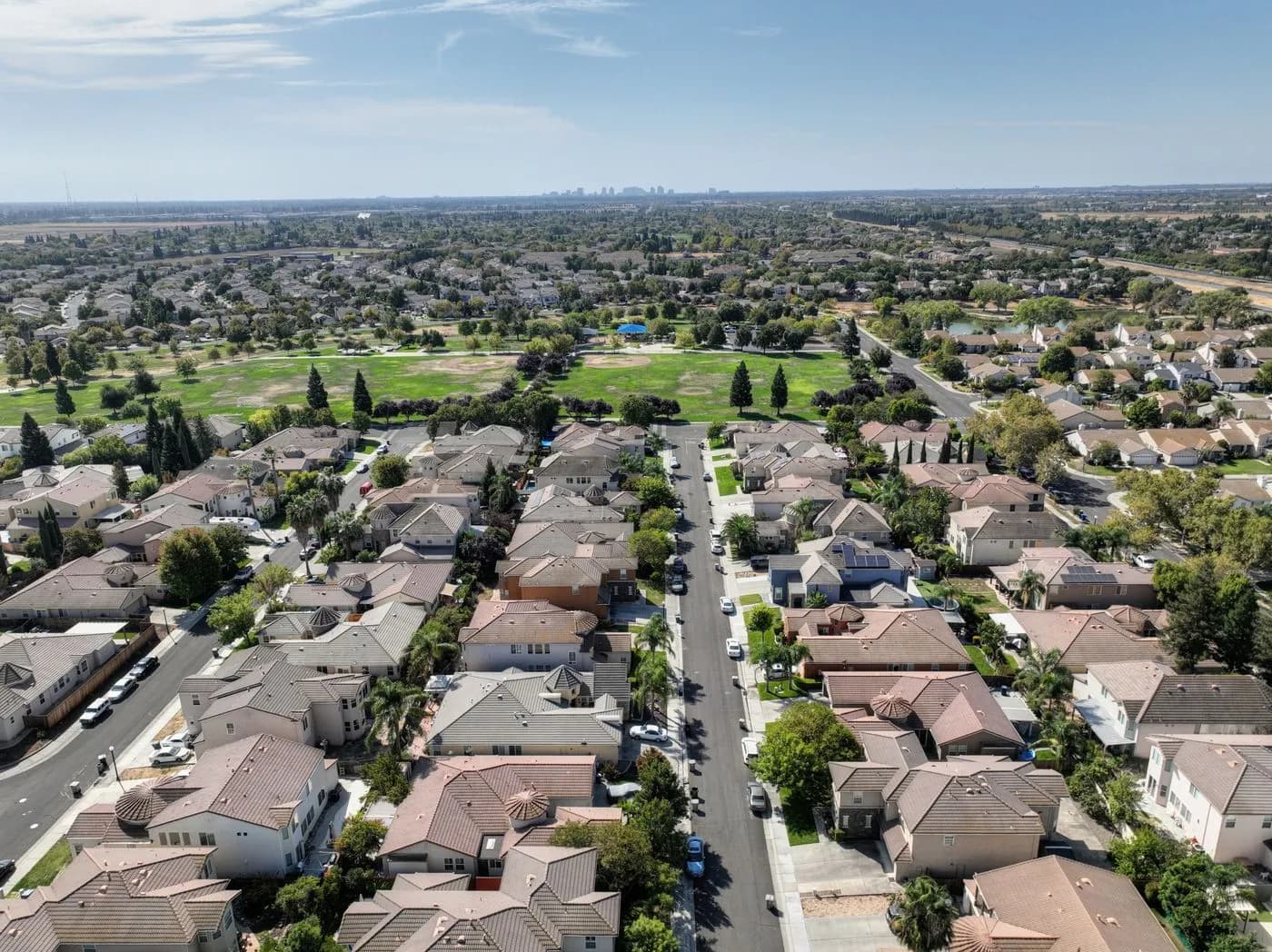
Find the profile that matches you.
You need off-market deals before they hit any list.
Wholesalers compete on deal flow, and the best margins come from properties that never reach a listing site. Driving for dollars builds a list from properties showing real signs of distress or neglect, then researches the owners so you can reach out first. It suits wholesalers who can move quickly on a warm lead and have the follow-up to work it.
This fits if
- You buy or assign off-market properties
- You want a list built from real signals, not just data filters
- You have outreach and follow-up ready to work the owners
- You understand a list is raw material, not guaranteed deals
Probably not if
- You expect a set number of contracts from a set list size
- You have no way to reach out to the owners you identify
You want a steady source of off-market opportunities.
Buy-and-hold and fix-and-flip investors both benefit from a consistent feed of off-market candidates. A driving-for-dollars effort produces a targeted list of properties worth pursuing in your chosen areas, which you can then work through calling, mail or other outreach. It fits investors who want a repeatable sourcing method rather than waiting for deals to appear.
This fits if
- You invest in defined markets you can target
- You want a repeatable off-market sourcing process
- You can act on identified opportunities in a timely way
- You run outreach to owners once a list exists
Probably not if
- You only buy on-market, listed properties
- You have no capacity to pursue what the list surfaces
You want the legwork of finding properties handled.
Driving areas and researching owners is time-consuming, and it is often the bottleneck for a growing operation. Handing that legwork off lets you focus on evaluating and pursuing deals rather than gathering the raw list. It suits operators who value their time on the deal side and want the identification and research done for them.
This fits if
- Your time is better spent on deals than on sourcing legwork
- You want property identification and owner research handled
- You have a system to work the resulting list
- You target specific, definable areas
Probably not if
- You prefer to do all your own sourcing hands-on
- You have no defined target area to work
What driving for dollars actually is
Driving for dollars is a real estate sourcing method that identifies potential opportunities from ground-level signals rather than from listings. The name comes from the original practice of literally driving target neighborhoods looking for properties that show signs of distress, neglect or vacancy, then researching the owners to reach out about a possible sale.
Those signals are physical and observable: deferred maintenance, overgrown or unkept yards, boarded or broken windows, accumulated mail, tarps on a roof, notices posted, or other signs that a property may be a candidate. Each signal is a hint that an owner might be open to a conversation, which is what makes the property worth researching and adding to a list.
The core value is that this reaches properties and owners who are not advertising that they want to sell. By the time a property is listed, competition and price usually erode the margin. Identifying candidates from real signals, before that point, is what gives the method its edge, and it is why it remains a staple of off-market acquisition despite being unglamorous work.

It produces a list, not deals
The most important expectation to set is that driving for dollars produces a targeted list of candidate properties and their owners. It does not produce closed deals by itself. The list is the raw material; the deals come from the outreach and negotiation that follow. Confusing the two is the fastest way to be disappointed by the method.
A well-built list is genuinely valuable because it concentrates your outreach on properties showing real signals rather than a broad, undifferentiated file. But it still requires you, or a channel like calling, SMS or mail, to actually reach the owners and start conversations. The businesses that suit driving for dollars are the ones with that outreach and follow-up in place, or ready to be.
This is why we describe the service as property identification and owner research. We build the list from real signals and do the research to make it actionable. What happens next, the reaching out and the pursuing, is where the deals are made, and it depends on your capacity to work the list.
You need somewhere to take the list
Because the output is a list, the method only pays off if you have a way to act on it. The operators it suits have outreach ready, whether that is their own calling and mail or a channel they run alongside this, and the follow-up to pursue the owners who respond. A list that sits unused is effort with no return.
This connects driving for dollars naturally to the other lead-generation channels. The list it produces is exactly the kind of targeted input that calling, SMS and direct mail are built to work. Many operators run driving for dollars specifically to feed those channels, which is why they are frequently run together against the same target areas.
So a fair question is whether, once a researched list of owners is in your hands, you have the means and the capacity to reach out and pursue what comes back. If yes, the method can be a strong sourcing engine. If not, pairing it with an outreach channel, or building that capacity first, is the sensible move.

How it fits alongside your other sourcing
Driving for dollars is one sourcing method among several, and it works best as part of a broader acquisition effort rather than the only source of deals. It concentrates on off-market candidates identified from physical signals, which complements data-driven list building and inbound channels that catch owners who reach out on their own.
For most operators, the list from driving for dollars becomes the input to their outreach machine. It feeds mail sequences, calling campaigns and SMS against a list chosen for real signals of potential motivation, which tends to be more responsive than a generic filtered list. The methods reinforce one another: better sourcing makes outreach more efficient, and strong outreach turns a good list into deals.
If you already run other lead generation, driving for dollars strengthens it by improving the quality of who you contact. Reaching owners of properties showing genuine signals, rather than a broad list, focuses your outreach where it is most likely to matter.
Why signal quality beats list size
It is tempting to judge a sourcing effort by how many properties it produces, but with driving for dollars the quality of the signals matters far more than the length of the list. A shorter list of properties that each show real signs of distress or neglect is worth more than a long list padded with properties that merely fit a data filter, because the signal is what suggests an owner might actually be open to a conversation.
This is the core difference from a bought data list. Data selects on records: ownership length, equity, tax status. Those are useful, but they do not tell you whether a property is actually being neglected right now. A physical signal, an overgrown yard, a tarped roof, accumulated mail, points to a situation in the present, which is often closer to the moment an owner considers selling. Quality of signal is quality of timing.
So the businesses that get the most from driving for dollars value a tight, well-observed list over a big, loose one. They would rather work a smaller number of genuine candidates than burn their outreach on volume that never had a real signal behind it. If your instinct is that more names is always better, it is worth reconsidering, because in signal-based sourcing, precision usually beats scale.
This also shapes how the service should be judged. The measure of a good driving-for-dollars effort is not the raw count but how well the list concentrates your outreach on properties worth pursuing. A list that points your calls and mail at real candidates is doing its job, even if it is shorter than a data pull, because it makes everything downstream more efficient.
What you are really buying is your time back
It is worth being clear about what the service actually saves you, because that is the honest reason to hand it off. Driving areas and researching owners is slow, repetitive work, and for a growing operation it is often the bottleneck: the operator who could be evaluating and closing deals is instead spending hours gathering the raw list. The service exists to remove that bottleneck by taking the legwork off your plate.
This is why the fit is strongest for operators whose time is genuinely more valuable spent on deals than on sourcing. If your hours are better used talking to sellers, running numbers and closing, then handing off the identification and research is a straightforward trade: you buy back the time that sourcing would consume and redirect it to the parts of the business only you can do.
For operators who genuinely enjoy the sourcing and prefer to do it all themselves, the service is less necessary, and that is a fair position. The point is not that hands-on sourcing is wrong, but that it competes for the same limited hours as everything else. When sourcing is what caps how much you can do, offloading it is how you scale without simply working more.
Seen this way, the service is less about the list as an object and more about the capacity it frees. You get a researched list ready to work, and you get back the hours you would have spent producing it, which for a busy operator is often the more valuable half of the trade.
How to tell it fits your buy box and market
Driving for dollars works best when you can define, clearly, what you are looking for and where. The method is precise by nature: it identifies specific properties in specific areas showing specific signals, then researches their owners. That precision is only useful if you have a clear buy box and defined target markets to point it at, so part of deciding whether it fits is being honest about how well-defined your criteria are.
If you know your markets and can describe the kind of property and situation you pursue, the service can be aimed accurately and the resulting list will match what you actually want to buy. If your criteria are vague or you are still figuring out your buy box, the sourcing has nothing sharp to target, and the list is more likely to include candidates you would not actually pursue. Clarity of criteria is what makes precision sourcing pay.
The market itself matters too. Driving for dollars suits areas where there are genuinely properties showing signals worth pursuing and where off-market acquisition is a real path to deals. In markets where that is not the case, the method has less to find, and a different sourcing approach may fit better. Knowing your market well enough to say whether signal-based sourcing makes sense there is part of the judgment.
So the clearest fit is an operator with a defined buy box, target markets they understand, and outreach ready to work a list. If those three are in place, driving for dollars can be a reliable sourcing engine. If any is missing, that is usually the thing to sort out first, and we would rather say so than aim a precise tool at an unclear target.
The misconceptions worth clearing up
A few common misconceptions about driving for dollars are worth addressing directly, because they lead people to expect the wrong things. The first is that it produces deals. It produces a researched list of candidate properties and owners, which is the input to deals, not the output. Confusing the list with the outcome is the fastest route to disappointment, so it is worth being clear that the deals come from the outreach and negotiation that follow.
The second misconception is that more names always mean a better result. In signal-based sourcing, a tight list of genuinely signaled properties beats a long list padded with weak candidates, because the point is to concentrate outreach on properties worth pursuing. Judging the service by raw count rather than signal quality misunderstands what makes it valuable.
A third is that it is just data you could pull yourself. Some of it overlaps with data work, but driving for dollars adds the physical, present-tense signals that data filters cannot see, and the owner research that makes those signals actionable. The service exists largely because that identification and research are time-consuming, so the value is as much the time saved as the data produced.
A fourth misconception is that it works without your own outreach. It does not; a researched list has value only when its owners are contacted, so the method assumes you have outreach ready, whether your own or run alongside it. Expecting the list alone to generate business is expecting half a system to do a whole job.
The final one is that it guarantees results in a given market. It does not, because whether signaled properties exist and whether owners are open depends on the market and timing, which no sourcing method controls. What it reliably does is find and research the candidates that are there; turning them into deals still depends on you and your market.
Clearing these up matters because the operators who get the most from driving for dollars are the ones with accurate expectations: a researched list to feed their outreach, judged on quality not volume, in markets and a buy box they understand. With those expectations in place, it is a dependable sourcing engine; with the wrong ones, even a good list feels like a letdown.
In short, driving for dollars is a precise sourcing tool, not a deal machine, and it works best for operators who treat it that way. Aimed at markets you understand, judged on the quality of the candidates it surfaces, and paired with real outreach to work them, it becomes a dependable way to keep off-market opportunities flowing. Held to the wrong expectations, even a strong list will feel like it fell short, which is why getting the expectations right is as important as the sourcing itself.
- You pursue off-market real estate opportunities
- You target defined, identifiable areas
- You have outreach and follow-up ready to work a list
- You want property identification and owner research handled
- You understand a list is raw material, not guaranteed deals
- You see it as one part of a broader sourcing effort
- You only buy on-market, listed properties
- You expect a set number of contracts from a set list size
- You have no way to reach out to the owners you identify
- You have no capacity to pursue what the list surfaces
- You have no defined target area to work
Two honest ways to do this.
Doing it yourself
Sourcing hands-on
- You control every property you add to the list
- Driving areas and researching owners takes real time
- Sourcing competes with evaluating and closing deals
- Consistency depends on your available hours
- Scaling means more of your own time or hiring
With Faevorite
Sourcing handled for you
- Property identification from real, ground-level signals
- Owner research to make the list actionable
- A targeted list ready to feed your outreach
- Your time freed for evaluating and pursuing deals
- Scoped to your target areas and goals
Can't I just buy a list instead?
You can, and many operators do both. A purchased data list filters on records; driving for dollars adds properties identified from real physical signals of distress or neglect. The two are complementary, and signal-based candidates often respond differently than a generic filtered file.
Does this guarantee me deals?
No. It produces a researched list of candidate properties and owners. The deals come from your outreach and negotiation. Anyone promising guaranteed deals from a sourcing method is overpromising, because the list is the input, not the outcome.
Isn't this just data I could gather myself?
You could, and some operators prefer to. The service exists because the identification and owner research are time-consuming, and handing them off frees you to spend your time on evaluating and pursuing deals instead of gathering the raw list.
How do I actually reach the owners?
Through outreach: calling, SMS, direct mail or your own methods. The list is designed to feed exactly those channels, which is why operators often run driving for dollars alongside them against the same target areas.
Who is driving for dollars best for?
Real estate operators, wholesalers and investors who pursue off-market properties in defined areas and have outreach ready to work the resulting list. The common thread is a target market and the capacity to act on candidates.
What exactly do I receive?
A targeted list of candidate properties identified from real signals, with owner research to make it actionable. It is the input to your outreach, not a set of closed deals.
Do I need my own outreach to use this?
Yes, in some form. The list has value only if you reach the owners, whether through your own calling and mail or a channel run alongside it. Operators often pair driving for dollars with those channels for exactly this reason.
Will you guarantee a number of deals?
No. We build and research the list; the deals come from your outreach and negotiation. We scope the sourcing work honestly rather than promising outcomes that depend on what happens after the list is delivered.
How is this different from a bought data list?
A bought list filters records. Driving for dollars adds properties identified from real physical signals and researches their owners. It is a different, signal-based way to source candidates, and it complements data lists rather than replacing them.
How do I start?
Request a quote with your target areas and goals. Because area size and research depth vary, driving for dollars is scoped and priced per project rather than at a fixed rate.
Driving for Dollars
Targeted property identification and owner research for hard-to-source opportunities.