
Lead Generation
Cold Calling
Trained callers reach owners directly, qualify interest and log every lead in your CRM.
Custom quoteRequest quote
Physical mail that reaches people outside digital channels as part of a multi-touch sequence.
Direct mail reaches people who are hard to move through digital channels and strengthens a broader multi-touch sequence. We handle list, design, print and send coordination, with tracking where possible. Postage and print vary, so campaigns are quoted to scope.
Quoted to scope. Postage, print, software and data changes can change the quote.
We define the audience and choose list or geographic targeting.
Every campaign starts by defining who you want to reach and why mail suits them, then choosing the targeting approach. That is either a specific list of recipients or a geographic area to saturate, depending on how broadly your offer applies.
We agree the offer, the sequence length, what a response means and how it will be tracked, then scope and quote the campaign. Because list size, formats and print runs vary widely, mail is priced to the actual work rather than a fixed rate.
Getting the targeting right here is the single biggest lever on results, so this stage is deliberate rather than rushed.
We build the mailing list or select the geographic routes.
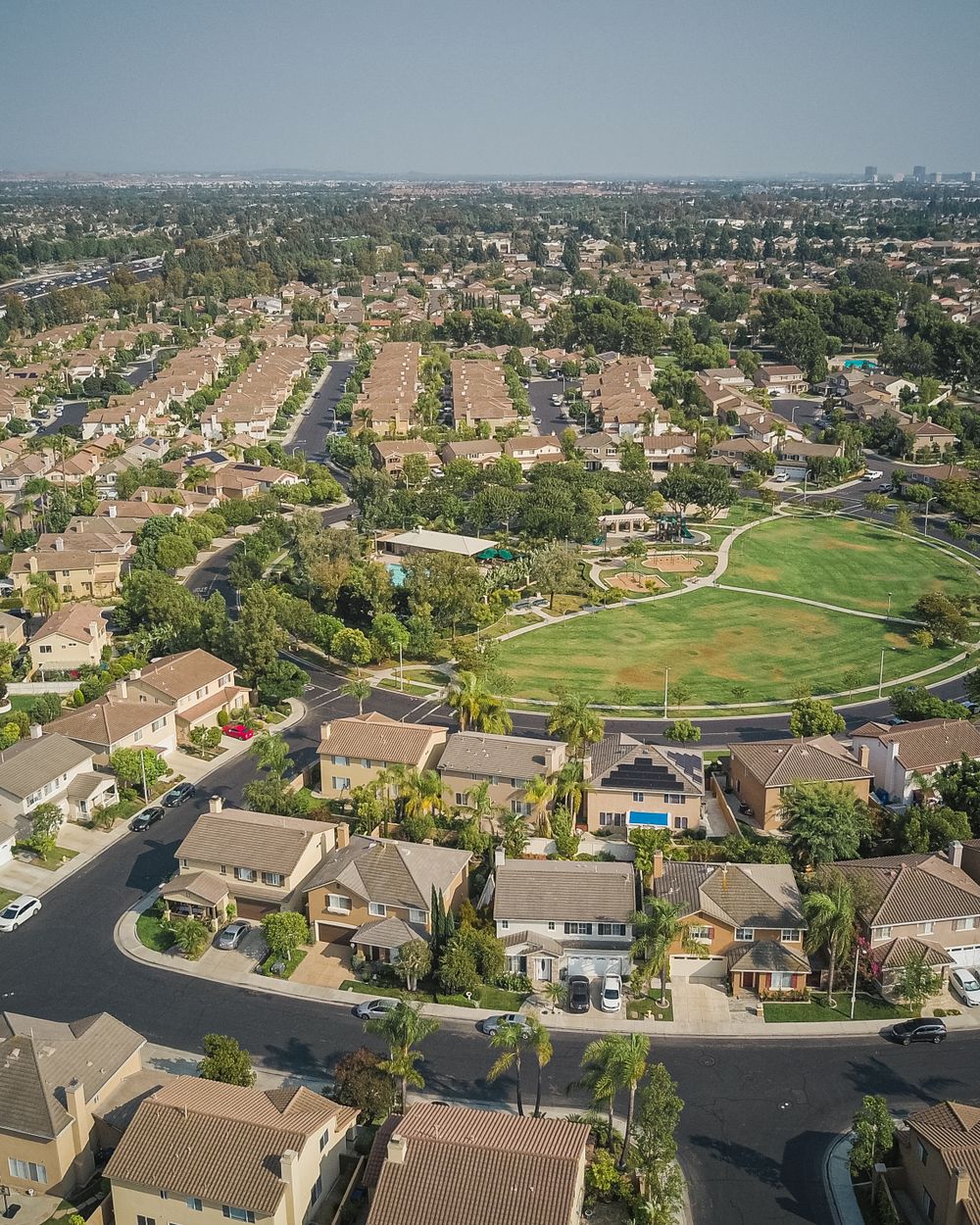
For a targeted campaign we build or refine the recipient list against the criteria we agreed, cleaning it so print and postage are not wasted on bad addresses. For a geographic campaign we select the mailing routes that fit, using options such as the USPS Every Door Direct Mail program where appropriate.
Address quality matters directly to cost here, because every undeliverable piece is money spent for nothing. Time spent getting the list or routes clean pays for itself.
This is also where the size and pacing of the sequence are finalized, so the print runs and mailing schedule are set on solid ground.
We design pieces built to be opened, read and acted on.
The physical piece is designed to earn attention in a mailbox and give the recipient a clear reason and a clear way to respond. Format, layout and copy all serve that goal, and the design reflects the fact that a piece often needs to work at a glance.
Copy is specific and honest, with an obvious next step and a response mechanism that makes acting easy. A confusing or cluttered piece wastes the whole cost of reaching the mailbox, so clarity is the priority.
The pieces are designed as a coordinated set across the sequence, so each touch reinforces the last rather than looking like an unrelated mailing.
Pieces are printed and prepared to postal specifications.
Approved designs go to print, produced to the specifications the postal service requires for the chosen format and mailing method. Preparing pieces correctly is what keeps postage efficient and delivery smooth.
Quality is checked at this stage so what lands in mailboxes reflects your business well. A physical piece is a tangible impression, and a poorly produced one works against you.
The pieces are then readied for the mailing schedule set during scoping, so the sequence goes out on plan.
Pieces are mailed as a coordinated multi-touch sequence.
Mailing happens as a sequence over time rather than a single drop, because repetition and timing are what move recipients to respond. The schedule spaces the touches so familiarity builds without overwhelming.
Where it makes sense, the mail sequence is coordinated with your other channels, so a recipient might see a piece around the time of a call or a digital touch, which lifts response.
Each send follows the plan set during scoping, and the sequence is adjusted based on what earlier touches reveal.
Responses are tracked and reported, and the campaign is refined.
Responses are tracked through the mechanisms built into the pieces and the follow-up process, and captured so they can be acted on. The point is a clear picture of what the campaign is generating, not guesswork.
You receive reporting across the sequence rather than after a single drop, because mail is meant to be read over time. The reporting shows how response is building and which elements are working.
Those insights feed refinement: the targeting, format or messaging can be adjusted for later touches or future campaigns based on what the responses show.
Doing it yourselfHandling mail in-house | With FaevoriteMail as a managed sequence |
|---|---|
| Without usYou control the design, list and timing directly | With usList or geographic targeting decided with you |
| Without usYou manage list, design, print and postage yourself | With usDesign, print and send managed end to end |
| Without usEasy to send once, see little, and give up | With usBuilt as a multi-touch sequence, not a one-off |
| Without usMail runs apart from your other outreach | With usCoordinated with your other outreach channels |
| Without usIt competes with running the business | With usYou focus on working the responses |
Businesses with a definable list or area, the patience for a multi-touch sequence, and the capacity to work responses. Real estate operators, local service businesses and companies reaching offline-leaning audiences all fit.
Not always. A targeted approach uses a specific list, while a geographic approach can reach mailing routes without individual addresses through options like the USPS Every Door Direct Mail program. Which fits depends on your offer.
Mail builds over a sequence, so responses accumulate over weeks rather than arriving the day after the first drop. Businesses that suit mail are comfortable with that timeline and the compounding it brings.
No. We control the targeting, design, print and sending; we cannot guarantee how many recipients respond. We scope and report honestly rather than promising numbers the channel cannot guarantee.
We run mail as a managed operation: targeting, design, print, a coordinated multi-touch sequence and reporting, integrated with your other outreach. The strategy and coordination are the difference, not just the printing.
Request a quote with your audience or area and your offer. Because list size, formats and print runs vary, direct mail is scoped and priced per campaign rather than at a fixed rate.
The scattershot version is. Targeted, well-designed mail run as a sequence is very much alive, precisely because so many businesses have abandoned it for digital. Reaching people outside the crowded digital inbox is an advantage, not a relic.
Mail carries real print and postage costs, so it suits offers and audiences where a response is worth enough to justify them. That is exactly why targeting matters: mailing the right list makes the economics work, and mailing a vague one does not.
Add it to your order and we will reach out to onboard you. No payment on the site.